Granite is a highly durable natural stone, but like any material, it is not completely immune to damage. Here’s what you should know:
Does Granite Chip?
Yes, granite can chip, but this is relatively rare and usually happens under specific circumstances. Chips are most likely to occur on the edges of countertops, especially if a heavy object, such as a pot or pan, is dropped directly on the edge. The risk of chipping increases with thinner slabs or poorly supported overhangs. Small chips can often be repaired using epoxy or resin mixed with granite dust for a seamless finish.
Does Granite Crack?
Cracking is uncommon in properly installed granite, but it can happen under certain conditions:
- Thermal Stress: Rapid temperature changes, such as placing a very hot pan directly on a cold countertop, can cause cracks. Granite is heat-resistant but not entirely heatproof.
- Structural Weaknesses: Natural fissures or flaws within the stone can make some areas more prone to cracking under pressure or impact.
- Improper Installation: If granite is not adequately supported, especially around cutouts for sinks or cooktops, it can develop cracks over time.
How to Minimise the Risk of Chipping or Cracking
- Use a cutting board to avoid accidental impacts when cutting directly on the granite.
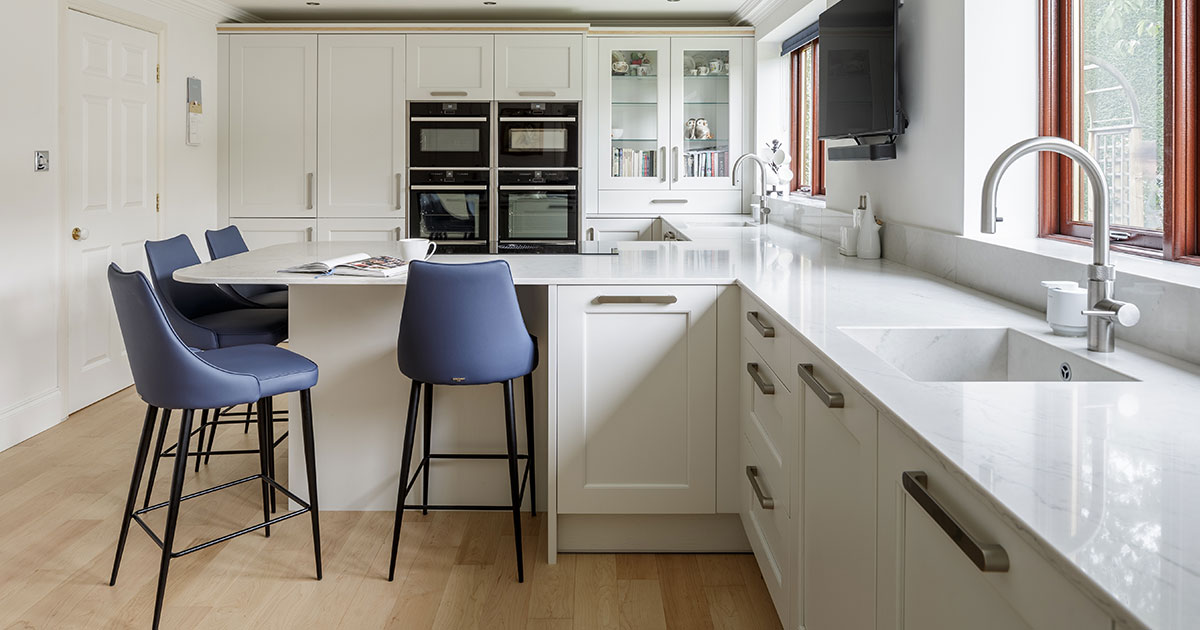
- Ensure that extended sections of granite, such as breakfast bars, are properly supported with brackets or legs.
- Use trivets or hot pads for hot cookware and avoid placing them directly on the granite to prevent thermal stress.
- Choose a professional installer to ensure proper support and minimise the risk of damage.
Conclusion
Granite is one of the most durable materials available for countertops, and chipping or cracking is rare when it is properly maintained and installed. With a little care, granite can last for decades without significant damage.